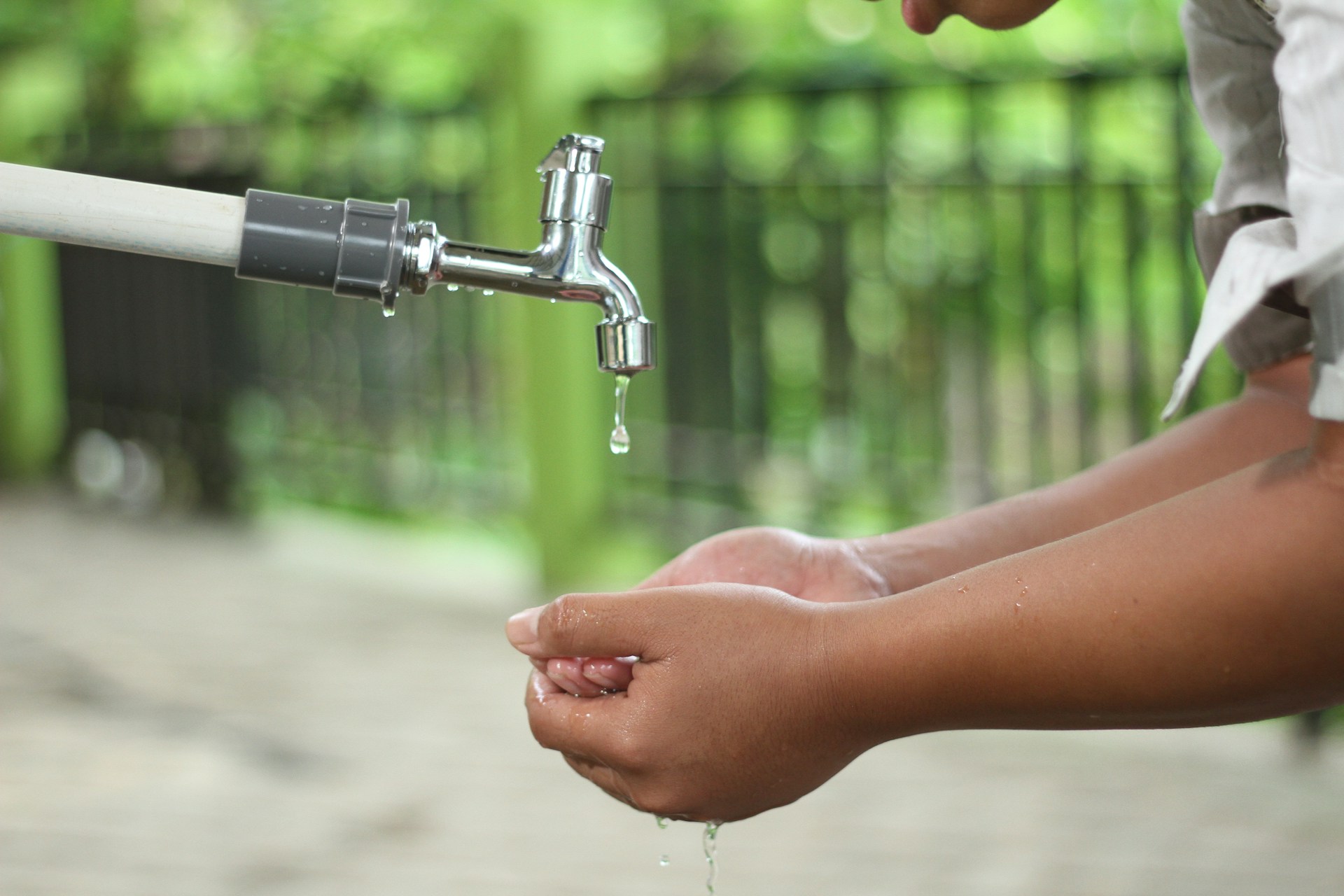
Clean water is one of the most essential resources on Earth, yet it is often taken for granted. Every day, people rely on water for drinking, cooking, cleaning, agriculture, and industry. However, not all water sources are naturally safe to use. Pollution, industrial waste, agricultural runoff, and aging infrastructure can contaminate water, making it harmful to human health and the environment. This is why understanding the importance of clean water and how treatment helps is critical for individuals, communities, and governments alike.
Access to clean water supports life at every level. From maintaining basic bodily functions to sustaining ecosystems and economies, safe water plays a foundational role. Water treatment acts as the protective barrier between harmful contaminants and public health. By removing physical, chemical, and biological pollutants, treatment processes ensure that water is safe, reliable, and suitable for daily use. As global demand for water increases, the importance of adequate water treatment grows.
The role of clean water in human health and well-being
Clean water directly affects human health in powerful ways. When people consume untreated or contaminated water, they face a higher risk of waterborne diseases such as cholera, dysentery, typhoid, and hepatitis A. These illnesses can spread quickly, especially in densely populated areas, and often affect children and older adults most severely. Clean water, therefore, serves as the first line of defense against preventable diseases.
In addition, clean water supports proper hygiene and sanitation. Regular handwashing, bathing, and cleaning depend on access to safe water. Without it, infections spread more easily, and overall quality of life declines. As a result, communities with reliable access to treated water often experience lower healthcare costs, improved life expectancy, and stronger public health outcomes.
Understanding how water becomes contaminated
Water contamination can occur at many stages, from source to tap. Natural contaminants such as bacteria, minerals, and sediments may exist in groundwater or surface water. However, human activities significantly increase the risk of contamination. Industrial discharge, agricultural fertilizers, pesticides, sewage leaks, and plastic waste often find their way into water supplies.
Aging infrastructure also plays a role. Old pipes may corrode, allowing metals like lead to enter drinking water. In some areas, poor maintenance and lack of monitoring increase the risk of contamination. Because these threats are widespread and complex, water treatment systems must address multiple types of pollutants to ensure safety and reliability.
How water treatment makes water safe to use
Water treatment is a multi-step process designed to remove contaminants and improve water quality. While specific methods vary, most treatment systems follow similar principles. First, physical processes such as screening and sedimentation remove large particles and debris. Next, filtration helps eliminate minor impurities, including dirt and some microorganisms.
Chemical and biological treatments then target bacteria, viruses, and dissolved contaminants. Disinfection methods, such as chlorination or ultraviolet treatment, play a key role in killing harmful pathogens. Together, these steps transform raw water into clean water that meets safety standards. As a result, water treatment protects communities from health risks while ensuring consistent access to safe water.
Challenges in ensuring access to clean water
Despite its importance, millions of people worldwide still lack access to clean water. Rapid population growth, climate change, and pollution place increasing pressure on water resources. Droughts reduce water availability, while floods can overwhelm treatment systems and spread contaminants.
In addition, infrastructure development requires significant investment and technical expertise. Rural and low-income areas often face the most critical challenges. Addressing these issues requires cooperation between governments, private organizations, and communities. Innovation in water treatment technology also plays a vital role in overcoming these barriers.
The importance of clean water for agriculture and food safety
Agriculture depends heavily on clean water. Farmers use water for irrigation, livestock care, and food processing. When water is contaminated, crops and animals may absorb harmful substances, which can then enter the food supply. This creates health risks for consumers and economic losses for farmers.
Water treatment supports food safety by providing cleaner water for agricultural use. Treated water reduces the spread of pathogens and limits soil contamination. In turn, this helps maintain crop quality and supports sustainable farming practices. As global food demand grows, clean water will remain essential for safe and efficient food production.
Economic and social benefits of water treatment
Clean water systems contribute significantly to economic stability and social development. Reliable access to treated water supports industries, businesses, and tourism. Manufacturing, energy production, and healthcare all rely on consistent water quality. When water systems fail, productivity declines, and economic losses increase.
On a social level, water treatment promotes equity and dignity. Communities with access to clean water experience improved education outcomes, as children miss fewer school days due to illness. Women and families spend less time collecting water, allowing more opportunities for work and personal growth. Therefore, investment in water treatment supports both economic progress and social well-being.
The future of water treatment and sustainability
The future of clean water depends on sustainable and efficient treatment solutions. Advances in technology now allow for improved filtration, water reuse, and energy-efficient treatment methods. Desalination, membrane filtration, and intelligent monitoring systems are becoming more common in water-stressed regions.
At the same time, individuals can support clean water efforts by conserving water and using it responsibly. Reducing pollution, limiting waste, and supporting clean water initiatives all contribute to long-term sustainability. By combining technology, policy, and public awareness, societies can better protect water resources for future generations.
Why clean water and treatment truly matter
The importance of clean water cannot be overstated. It supports health, protects the environment, strengthens economies, and improves quality of life. Water treatment plays a central role in making this possible by ensuring that water remains safe and dependable. Without effective treatment, modern life as we know it would not be sustainable.
As challenges continue to grow, prioritizing clean water and treatment systems becomes more urgent. Through continued investment, innovation, and education, communities can secure safe water and build a healthier, more resilient future for all.